
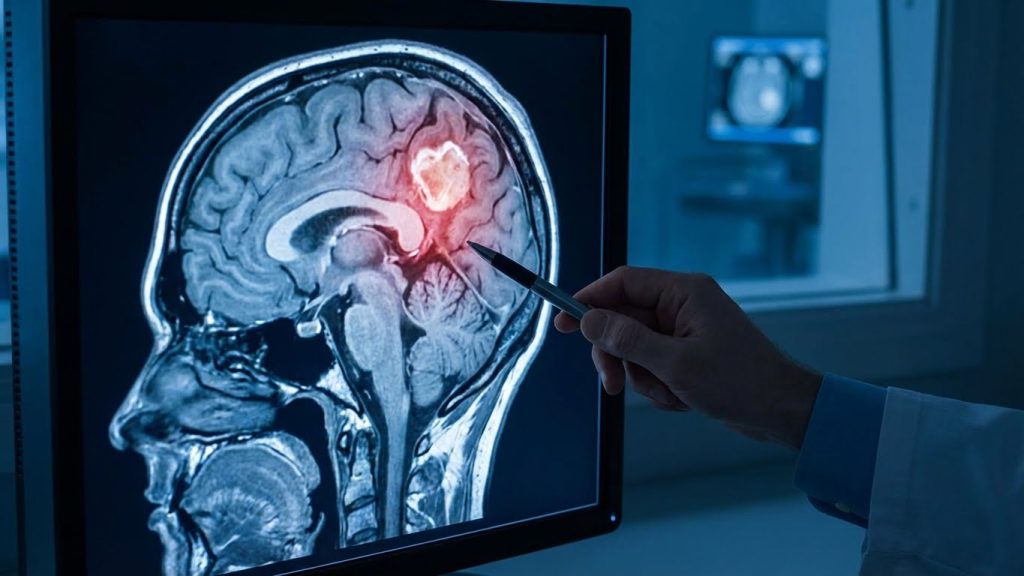
Endoscopic Brain Tumor Surgery: A Modern Minimally Invasive Approach
Endoscopic brain tumor surgery is an advanced, minimally invasive neurosurgical technique used to diagnose and treat certain brain tumors. By using a thin, flexible instrument called an endoscope, surgeons can access deep or difficult-to-reach areas of the brain through very small openings, reducing trauma to healthy brain tissue and improving patient recovery.
What Is an Endoscopic Brain Tumor?
An endoscopic brain tumor refers to a brain tumor that is treated or removed using endoscopic techniques. The endoscope is equipped with a high-definition camera and light source, allowing surgeons to view the surgical area on a monitor with exceptional clarity. This method is commonly used for tumors located near the ventricles, skull base, pituitary gland, and brainstem.
When Is Endoscopic Surgery Recommended?
Endoscopic brain tumor surgery is recommended when:
- The tumor is located in deep or narrow areas of the brain
- Traditional open surgery poses higher risk
- A minimally invasive approach can reduce complications
- Biopsy or partial tumor removal is required
- Tumors affect cerebrospinal fluid pathways
Common tumors treated endoscopically include pituitary adenomas, colloid cysts, craniopharyngiomas, ventricular tumors, and some skull-base tumors.
Surgical Techniques
The most common endoscopic approaches include:
- Endonasal endoscopic surgery (through the nose and sinuses)
- Endoscopic transventricular surgery (through the brain’s ventricles)
- Keyhole endoscopic craniotomy (small skull opening)
These techniques allow precise tumor removal while preserving surrounding brain structures.
Benefits of Endoscopic Brain Tumor Surgery
Compared to traditional open surgery, endoscopic methods offer several advantages:
- Smaller incisions and minimal scarring
- Reduced brain tissue damage
- Less postoperative pain
- Lower risk of infection
- Shorter hospital stay and faster recovery
- Improved visualization of critical brain structures
Risks and Limitations
Although generally safe, endoscopic brain tumor surgery may carry risks such as:
- Bleeding or infection
- Cerebrospinal fluid (CSF) leakage
- Incomplete tumor removal in complex cases
- Hormonal imbalance (especially in pituitary surgery)
- Neurological deficits in rare cases
Not all brain tumors are suitable for endoscopic removal, and careful patient selection is essential.
Recovery and Aftercare
Recovery is typically faster than with traditional surgery. Patients may experience mild headaches, nasal congestion (in endonasal procedures), or temporary fatigue. Follow-up care includes imaging studies, neurological assessments, and, if needed, additional treatments such as radiation therapy or medication.
Prognosis and Outcomes
Outcomes depend on tumor type, size, location, and overall patient health. Many patients experience excellent symptom relief and improved quality of life. Advances in endoscopic equipment, imaging, and surgical navigation continue to expand the range of tumors that can be safely treated using this approach.