
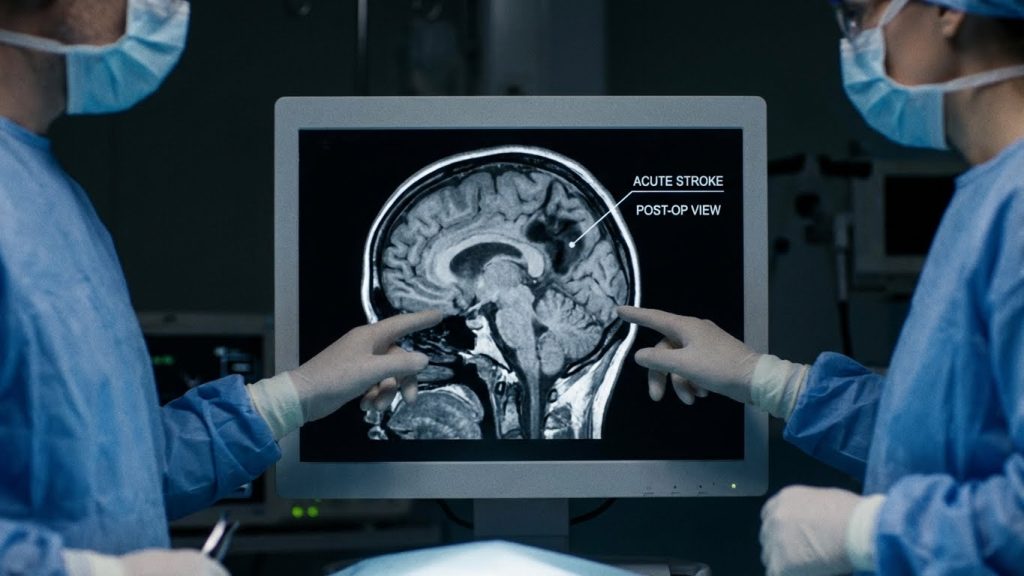
Surgery for Stroke: Life-Saving Interventions and Treatment Options
Stroke surgery refers to a group of surgical and minimally invasive procedures used to treat or prevent strokes by restoring blood flow to the brain, reducing pressure, or repairing damaged blood vessels. Stroke is a medical emergency, and in selected cases, timely surgical intervention can save lives, limit brain damage, and improve long-term recovery.
Understanding Stroke
A stroke occurs when blood supply to part of the brain is interrupted or reduced, depriving brain tissue of oxygen and nutrients. There are two main types:
- Ischemic stroke – caused by a blocked blood vessel (most common)
- Hemorrhagic stroke – caused by bleeding in or around the brain
Each type may require different surgical approaches.
When Is Surgery Needed?
Surgery is recommended when:
- Blood flow must be urgently restored
- Brain swelling causes dangerous pressure
- A ruptured blood vessel needs repair
- There is risk of recurrent stroke
- Medical treatment alone is insufficient
Not all stroke patients require surgery; careful evaluation is essential.
Surgical Options for Ischemic Stroke
- Mechanical Thrombectomy
A minimally invasive procedure in which a catheter is used to remove a blood clot from a blocked artery. It is most effective when performed within hours of stroke onset. - Carotid Endarterectomy
This surgery removes plaque buildup from the carotid artery in the neck to prevent future strokes. - Carotid Artery Stenting
A stent is placed to keep narrowed arteries open and improve blood flow.
Surgical Options for Hemorrhagic Stroke
- Aneurysm Clipping or Coiling
Used to stop bleeding from a ruptured aneurysm by sealing it. - Arteriovenous Malformation (AVM) Surgery
Removes abnormal blood vessel connections that may cause bleeding. - Hematoma Evacuation
Removes accumulated blood to relieve pressure on the brain. - Decompressive Craniectomy
A portion of the skull is removed to allow swelling brain tissue to expand safely.
Risks and Complications
Stroke surgery carries potential risks, including:
- Infection or bleeding
- Neurological deficits
- Blood clots or vessel injury
- Anesthesia-related complications
However, in emergency situations, the benefits often outweigh the risks.
Recovery and Rehabilitation
Post-surgical recovery involves:
- Intensive monitoring in hospital
- Physical, occupational, and speech therapy
- Long-term medication management
- Lifestyle changes to reduce recurrence risk
Rehabilitation plays a critical role in regaining strength, mobility, and independence.
Prognosis and Outcomes
Outcomes depend on stroke severity, type, timing of surgery, and patient health. Early surgical intervention significantly improves survival rates and neurological recovery in appropriate cases.