
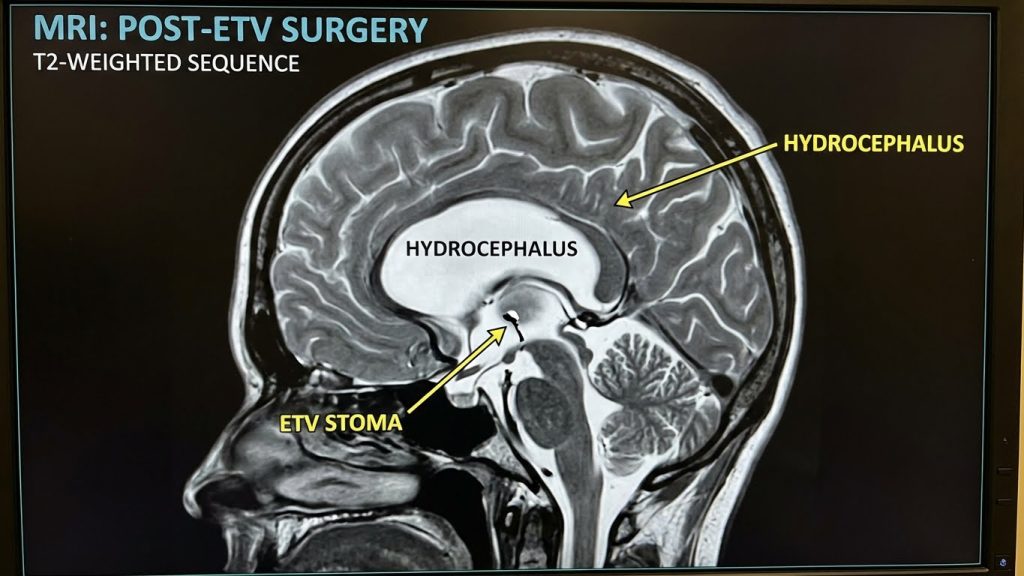
ETV Surgery for Hydrocephalus: A Modern, Shunt-Free Treatment
Endoscopic Third Ventriculostomy (ETV) is a minimally invasive neurosurgical procedure used to treat hydrocephalus, a condition in which excess cerebrospinal fluid (CSF) accumulates in the brain’s ventricles, causing increased pressure. ETV offers a natural, shunt-free solution by restoring normal CSF flow within the brain.
Understanding Hydrocephalus
Hydrocephalus occurs when the balance between CSF production, circulation, and absorption is disrupted. This can result from congenital abnormalities, brain tumors, infections, hemorrhage, or trauma. Symptoms vary by age and may include headaches, vomiting, vision problems, balance difficulties, memory issues, and in infants, enlarged head size.
What Is ETV Surgery?
ETV surgery involves creating a small opening in the floor of the third ventricle using an endoscope. This opening allows CSF to bypass the obstruction and flow directly into the brain’s natural absorption pathways, reducing pressure without the need for a permanent shunt.
The procedure is performed using a thin endoscope equipped with a camera and light, allowing precise visualization of internal brain structures.
When Is ETV Recommended?
ETV is most effective in cases of obstructive (non-communicating) hydrocephalus, especially when caused by:
- Aqueductal stenosis
- Tumors blocking CSF pathways
- Congenital malformations
- Post-infectious scarring
Patient selection is critical, and not all forms of hydrocephalus are suitable for ETV.
Surgical Procedure
The surgery typically involves:
- A small incision and burr hole in the skull
- Endoscopic entry into the ventricular system
- Creating an opening in the third ventricle floor
- Restoring natural CSF circulation
The procedure usually takes 30–60 minutes and is performed under general anesthesia.
Benefits of ETV Surgery
ETV offers several advantages over shunt placement:
- No implanted foreign device
- Lower risk of long-term complications
- Reduced infection risk
- More natural CSF flow restoration
- Less dependence on future surgeries
Many patients experience significant symptom improvement after surgery.
Risks and Complications
Although ETV is generally safe, possible risks include:
- Bleeding or infection
- CSF leakage
- Failure of the ventriculostomy opening
- Hormonal or memory disturbances (rare)
Close postoperative monitoring is essential.
Recovery and Follow-Up
Recovery is usually quick, with hospital stays of 1–3 days. Follow-up includes neurological assessments and imaging studies to ensure the opening remains functional. Some patients may require additional treatment if hydrocephalus recurs.
Prognosis and Outcomes
Success rates for ETV depend on age, cause of hydrocephalus, and prior infections or surgeries. Carefully selected patients often achieve long-term relief without the need for shunt placement.