
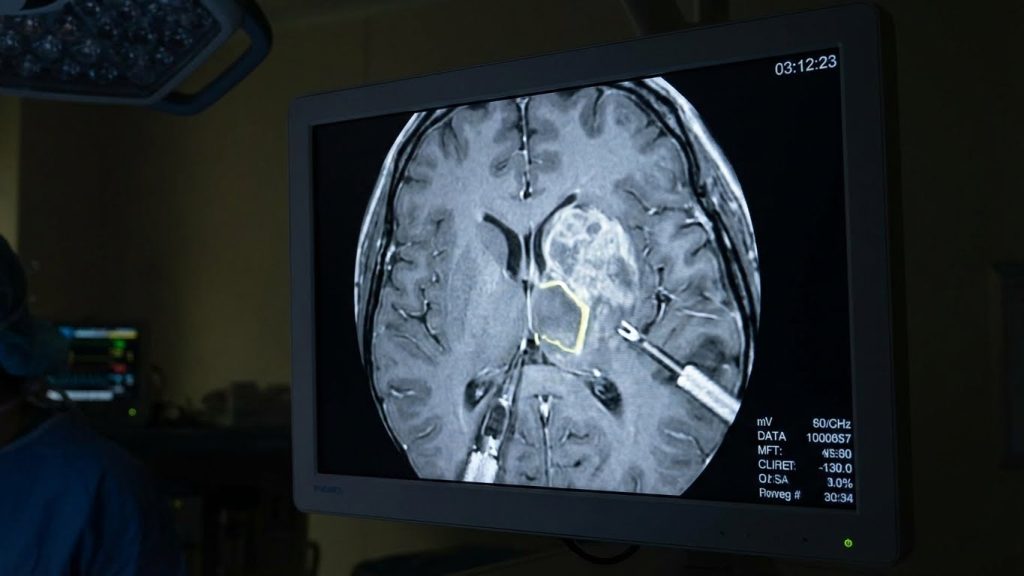
A microscopic brain tumor refers to a group of abnormal cells in the brain that are too small to be seen with the naked eye and are often detectable only through advanced imaging techniques or microscopic examination of tissue samples. Although small in size, microscopic brain tumors can be medically significant due to the brain’s complexity and the critical functions it controls.
Understanding Microscopic Brain Tumors
Unlike large, visible brain tumors, microscopic tumors may not initially cause obvious symptoms. They can exist at a cellular level, slowly growing or remaining dormant for a period of time. These tumors may be benign (non-cancerous) or malignant (cancerous), and their behavior depends on the type of cells involved, genetic mutations, and their location in the brain.
Microscopic tumors are often discovered incidentally during imaging tests such as MRI or CT scans, or through biopsy when investigating unexplained neurological symptoms.
Causes and Risk Factors
The exact cause of microscopic brain tumors is not always known. However, several risk factors may increase the likelihood of their development, including:
- Genetic mutations or inherited disorders
- Exposure to high levels of radiation
- Age-related cellular changes
- Weakened immune system
- Family history of brain tumors
Research continues to explore environmental and molecular factors that contribute to tumor formation at a microscopic level.
Symptoms
Because of their small size, microscopic brain tumors may produce mild or subtle symptoms, or none at all in early stages. As they grow or affect sensitive areas of the brain, symptoms may include:
- Persistent headaches
- Memory or concentration difficulties
- Seizures
- Vision or speech problems
- Numbness or weakness in limbs
- Changes in behavior or personality
Early symptoms are often mistaken for stress or common neurological conditions.
Diagnosis
Diagnosis typically involves a combination of:
- Magnetic Resonance Imaging (MRI) for high-resolution brain images
- Computed Tomography (CT) scans
- Biopsy and histopathological examination to identify tumor type
- Molecular and genetic testing to guide treatment decisions
Advanced imaging allows doctors to detect tumors at a very early, microscopic stage.
Treatment Options
Treatment depends on tumor type, location, growth rate, and overall patient health. Common approaches include:
- Active monitoring (watchful waiting) for slow-growing tumors
- Surgery if the tumor becomes accessible and symptomatic
- Radiation therapy to destroy abnormal cells
- Chemotherapy or targeted therapy for malignant tumors
Early detection often leads to better treatment outcomes.
Prognosis and Outlook
The prognosis for microscopic brain tumors varies widely. Benign tumors may remain stable for years with minimal intervention, while malignant tumors require prompt and aggressive treatment. Advances in medical imaging, genetics, and targeted therapies have significantly improved early detection and survival rates.