
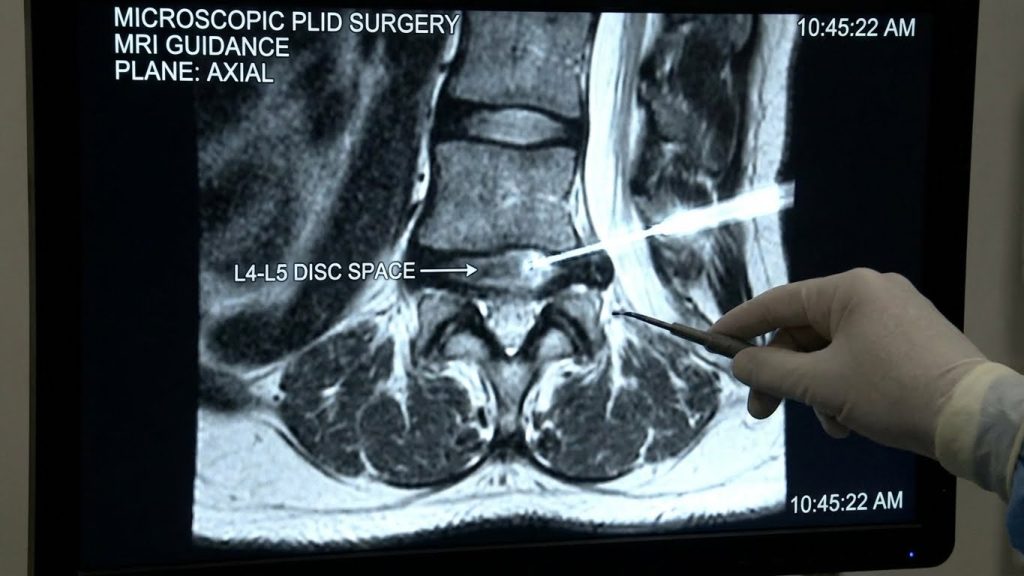
Microscopic PLID Surgery: An Advanced Treatment for Slipped Disc
Microscopic PLID surgery is a modern, minimally invasive surgical procedure used to treat Prolapsed Lumbar Intervertebral Disc (PLID), commonly known as a slipped or herniated disc in the lower back. This technique uses a high-powered operating microscope to remove the damaged portion of the disc while preserving surrounding muscles, nerves, and spinal structures.
Understanding PLID
PLID occurs when the soft inner material of a lumbar disc bulges or ruptures through its outer layer, compressing nearby spinal nerves. This condition often causes:
- Severe lower back pain
- Pain radiating to the leg (sciatica)
- Numbness or tingling
- Muscle weakness
- Difficulty standing or walking
When conservative treatments such as medication, physiotherapy, or injections fail, surgery may be recommended.
What Is Microscopic PLID Surgery?
Microscopic PLID surgery, also called microdiscectomy, involves making a small incision in the lower back and using a surgical microscope to clearly visualize the affected nerve and disc. Only the herniated portion of the disc is removed, relieving nerve compression while maintaining spinal stability.
When Is Surgery Recommended?
Microscopic PLID surgery is advised when:
- Severe pain persists for several weeks or months
- Neurological deficits such as weakness or numbness worsen
- There is loss of bladder or bowel control (emergency condition)
- Conservative treatment fails to provide relief
Surgical Procedure
The procedure typically includes:
- A small skin incision (2–3 cm)
- Minimal muscle separation instead of cutting
- Precise removal of the prolapsed disc material
- Decompression of the affected nerve root
The surgery usually takes 30–60 minutes and is often performed under general anesthesia.
Benefits of Microscopic PLID Surgery
Compared to traditional open surgery, this technique offers:
- Smaller incision and minimal tissue damage
- Less postoperative pain
- Faster recovery and shorter hospital stay
- Lower risk of complications
- High success rate in relieving leg pain
Most patients experience significant improvement shortly after surgery.
Risks and Complications
Although generally safe, potential risks include:
- Infection or bleeding
- Nerve injury
- Disc re-herniation
- Cerebrospinal fluid leakage (rare)
Careful surgical technique and proper postoperative care reduce these risks.
Recovery and Rehabilitation
Patients are usually able to walk within hours after surgery. Recovery involves:
- Short hospital stay (often 1–2 days)
- Gradual return to daily activities
- Physical therapy to strengthen back muscles
- Avoiding heavy lifting for several weeks
Full recovery typically occurs within 4–6 weeks.
Prognosis and Outcomes
Microscopic PLID surgery has an excellent success rate, especially for relieving leg pain caused by nerve compression. Early diagnosis and timely intervention lead to better outcomes and long-term spinal health.