
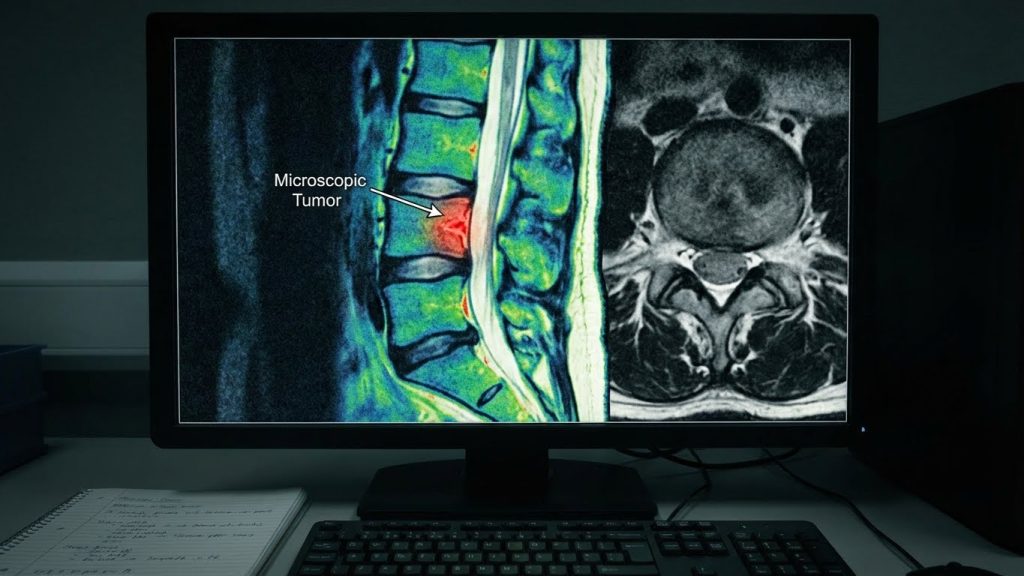
Microscopic Spinal Tumor: Advanced Diagnosis and Treatment
A microscopic spinal tumor refers to a tumor affecting the spinal cord, nerve roots, or surrounding structures that is treated or evaluated using microsurgical techniques. These tumors may be very small in size or located in delicate areas of the spine, requiring high-precision visualization with an operating microscope to ensure safe and effective treatment.
Understanding Spinal Tumors
Spinal tumors are abnormal growths that develop within or around the spinal column. They may be benign (non-cancerous) or malignant (cancerous) and can originate in the spine (primary tumors) or spread from other parts of the body (metastatic tumors).
Based on their location, spinal tumors are classified as:
- Intramedullary – within the spinal cord
- Intradural-extramedullary – inside the spinal covering but outside the cord
- Extradural – outside the spinal cord, often involving vertebral bones
What Is Microscopic Spinal Tumor Surgery?
Microscopic spinal tumor surgery uses a high-powered operating microscope to provide magnified, illuminated views of the tumor and surrounding nerves. This allows surgeons to remove the tumor with extreme precision while preserving healthy spinal cord tissue and nerve function.
Microsurgical techniques are especially useful for tumors located near critical neurological structures.
Symptoms of Microscopic Spinal Tumors
Symptoms may develop gradually and depend on tumor size and location. Common symptoms include:
- Persistent back or neck pain
- Weakness in arms or legs
- Numbness or tingling
- Difficulty walking or maintaining balance
- Bowel or bladder dysfunction
Early symptoms are often subtle and may be mistaken for common spinal conditions.
Diagnosis
Diagnosis involves advanced imaging and neurological evaluation, including:
- MRI scans for detailed spinal visualization
- CT scans for bone involvement
- Microscopic biopsy for tumor identification
- Neurological examinations
Early detection is crucial for successful treatment.
Treatment Options
Treatment depends on tumor type, location, and patient health. Options include:
- Microsurgical tumor removal
- Partial resection with decompression
- Radiation therapy or chemotherapy (for malignant tumors)
- Spinal stabilization or fusion, if needed
Microsurgery often provides the best balance between tumor removal and nerve preservation.
Benefits of Microscopic Surgery
Compared to traditional open surgery, microscopic techniques offer:
- Greater surgical accuracy
- Reduced damage to surrounding tissue
- Lower risk of neurological injury
- Less postoperative pain
- Faster recovery and shorter hospital stay
Risks and Complications
Although generally safe, possible risks include:
- Infection or bleeding
- Temporary or permanent nerve damage
- Cerebrospinal fluid leakage
- Incomplete tumor removal
These risks are minimized with experienced surgical teams and modern equipment.
Recovery and Prognosis
Recovery varies depending on the tumor and extent of surgery. Many patients experience improvement in pain and neurological function. Rehabilitation, including physical therapy, may be required. Prognosis is generally favorable for benign tumors and early-detected cases.